Check the full parts list before starting
We connect each order’s parts list with stock, reservations, and open purchases so planning can see what is ready and what is missing.

Assembly
Connect component purchasing, bills of material, work orders, and quality checks before the line is ready to build.
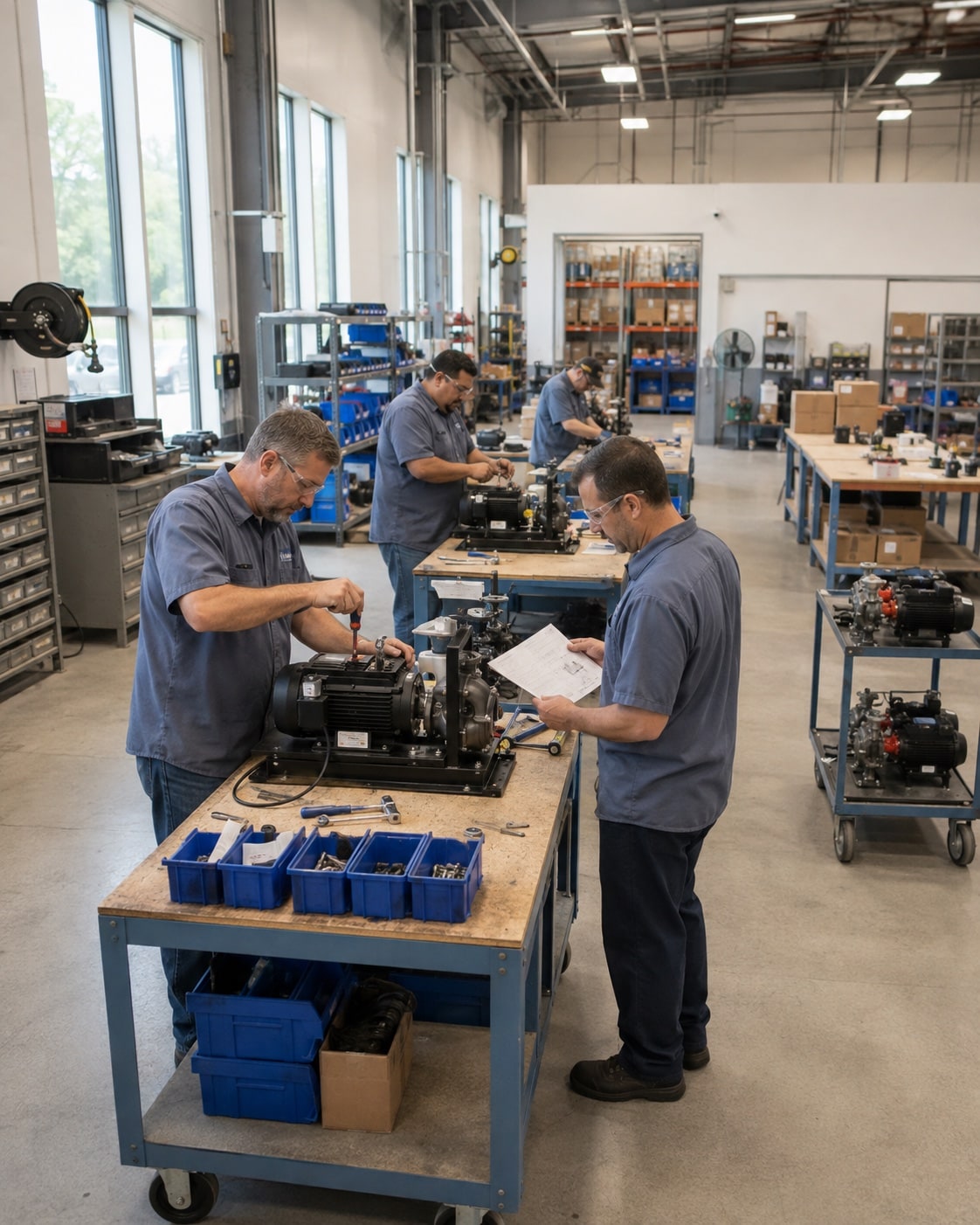
Check the full bill of material against stock and open purchases. Show planners what is missing before they release the work.
We map this with your team, check the tools you already use, and test the change on real work.
We connect each order’s parts list with stock, reservations, and open purchases so planning can see what is ready and what is missing.
We set up a review step for replacement components and parts-list changes so the assembler can see which version and parts are approved for the order.
We connect the assembly job with the components used, recorded checks, and finished unit so the team can find the build history when a question comes back.
Once the process and records are ready, an agent can help your team prepare the next step.
See an agent at workWe check their structure, versions, and how they reach purchasing and assembly. Then we agree how to load or connect the approved lists and who maintains them. Your team tests representative builds before switching the process.
We map which components and finished units need a serial or lot record, then test how those details are captured during assembly. The required traceability depends on your product and service needs; it is defined before setup.
We check what your sales, operations, and accounting tools can share before proposing a connection.




Answer three questions. Get a short checklist to help your team find where work gets held up.